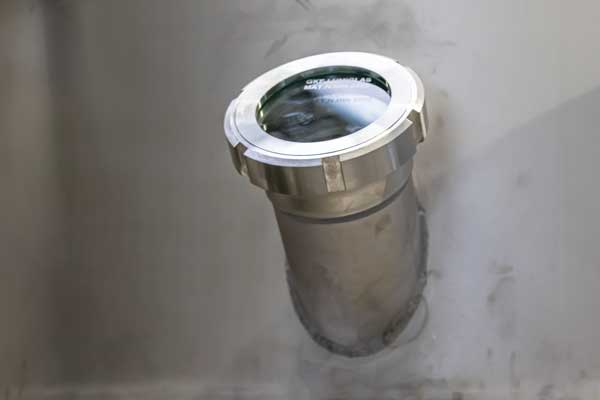
- Quality-impairing air and humidity are removed from the resin
- Improved manufacturing process
- Enhanced product quality
Process-integrated evacuation of air and moisture from synthetic resins and hardeners before dosing and mixing with the T-EVAC degassing station.
With this module you can significantly improve your forming processes as well as your product quality. The new degassing station is suitable for both epoxy resin and polyurethane resin degassing.
The system solution is designed in two variants: First, as an offline degassing at a central location where several dosing units can be filled with degassed material. Second, as an inline degassing directly integrated into the dosing system and adapted to the process requirements.
Measurably better results with degassed material

Material test: Optimal result with degassed resin and hardener

Test result without degassing: visible air inclusions (light discoloration)
| Categories : |
Liquid components
|
|---|
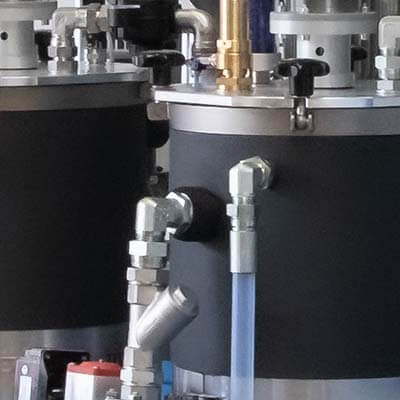
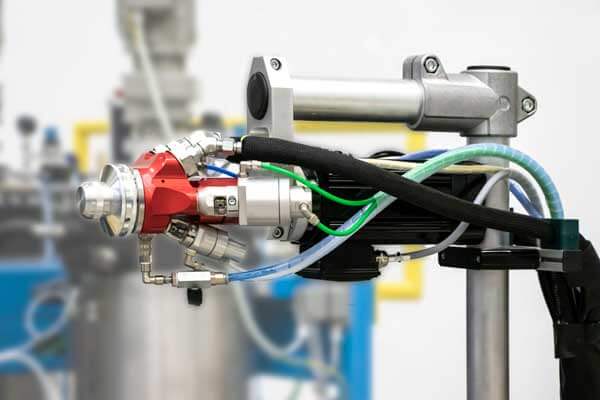
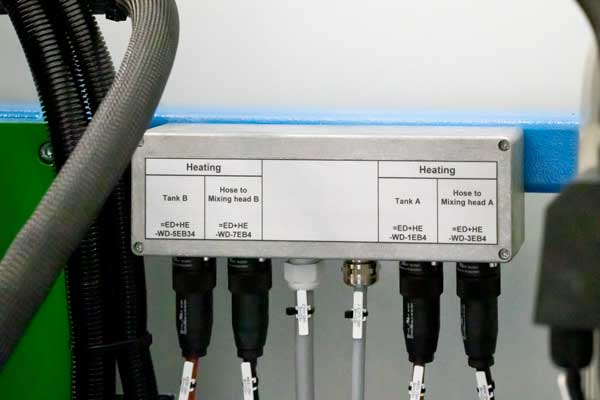
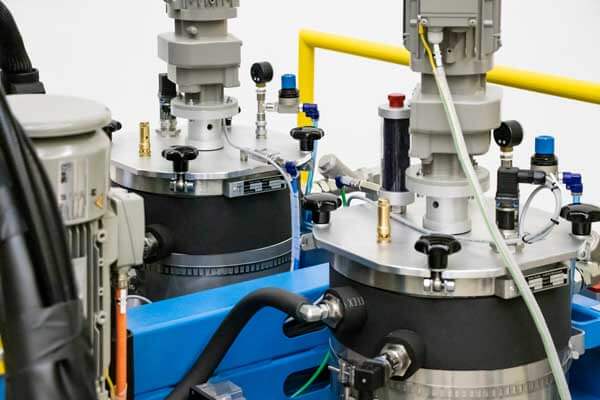
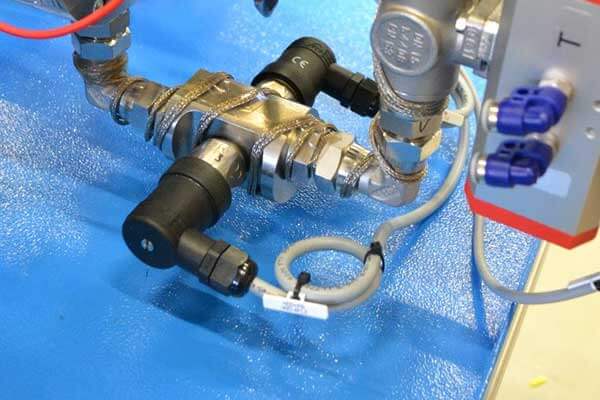
All machine parts, from the container to the hose and mixing head, can be heated to reduce the viscosity of the material – for example, to shorten the pot life or improve mixing of the components. Depending on the application, there are several options available.
Container
- Jacket heating (adapted to the container)
- Double jacket (heating with water or oil)
- Extra agitators for a better heat distribution
Hoses
- Heated hoses
- Insulation
Depending on the sensitivity of the material, all possible cold spots must be additionally heated or insulated. Heating cartridges, ring heaters and heating tarpaulins are used in this process.
| Categories : |
Liquid components, Pasty components
|
|---|
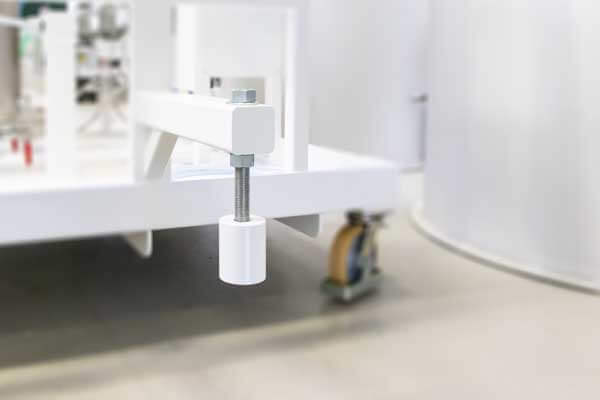
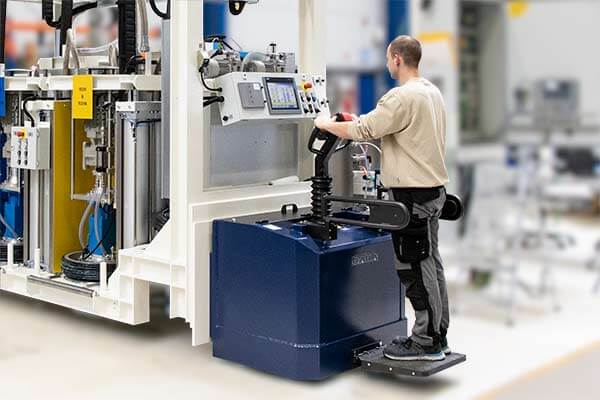
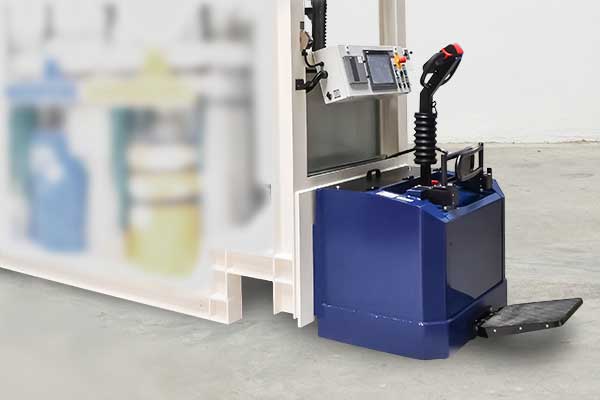
It may be necessary for a plant to be mobile, depending on its size and location/purpose. There are several ways to achieve mobility:
- Mobile frame
- Own drive unit
- Trailer coupling
| Categories : |
Liquid components, Pasty components
|
|---|
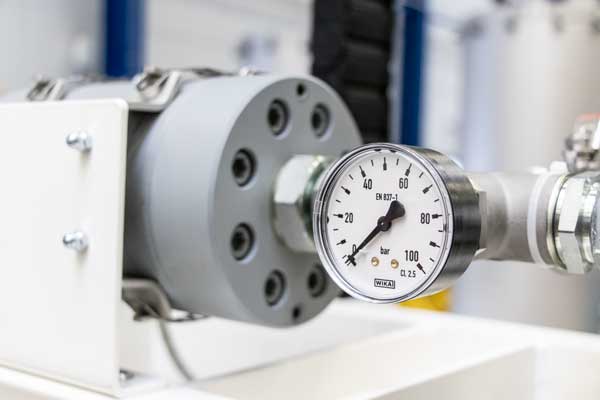
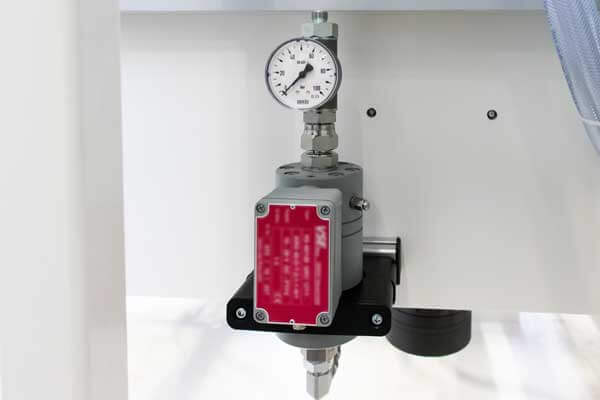
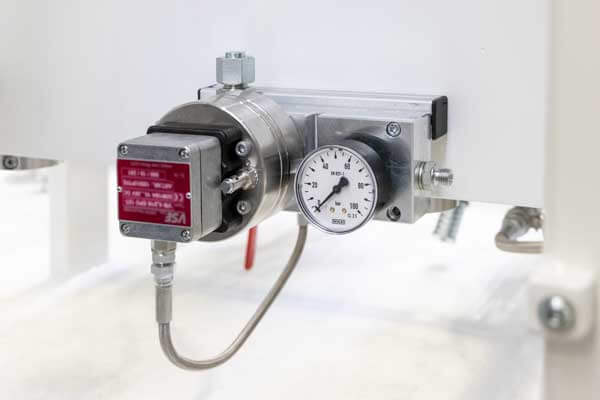
Machines with a volume flow control system continuously measure the flow rate of the material and report any deviations to the pumps, which automatically adjust the flow rate accordingly. This happens within seconds and guarantees a constant flow rate and mixing ratio.
| Categories : |
Liquid components, Pasty components
|
|---|
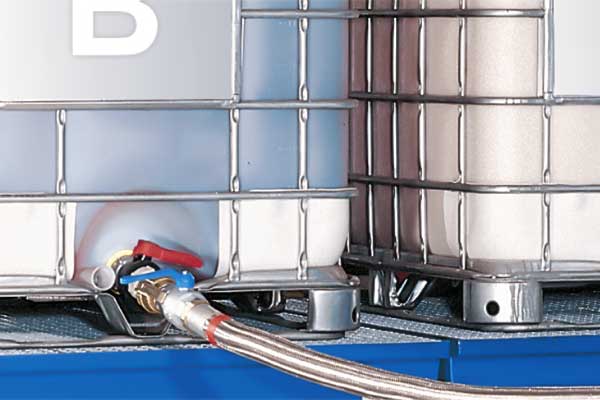
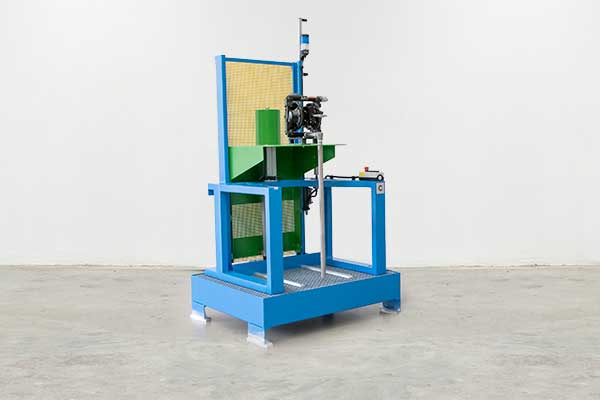
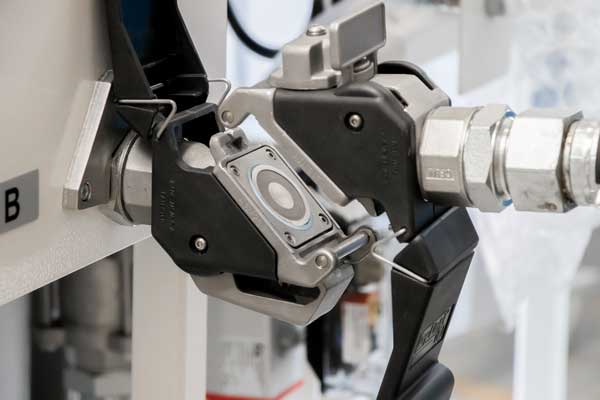
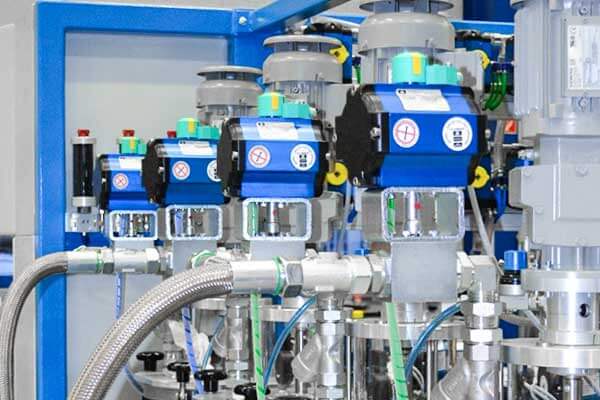
To keep the dosing process running longer, we offer refills from IBCs or drums. There are different solutions for the realization of a refill.
Automatic Refill
- 1st option: Dosing containers are connected to a mobile refilling station (modern connection with couplings without loss of material)
- 2nd option: Dosing containers are connected directly on the base frame with e.g. an IBC
- 3rd option: Refill containers are also located on the base frame
The process is controlled via automatic refilling e.g. when a minimum sensor level is reached.
Vacuum Refill
If the material must not come into contact with air, we offer dosing containers in vacuum atmosphere. When refilling, the negative pressure is used to “pull” the material out of the refill containers.
Free Refill
The free refill, also called “free-flow”, uses gravimetry. The material flows from the higher positioned refill container into the dosing containers. No pump is required.
| Categories : |
Liquid components, Pasty components
|
|---|